
Paddleboarding Training & Certification: Do You Need It & Where to Get It
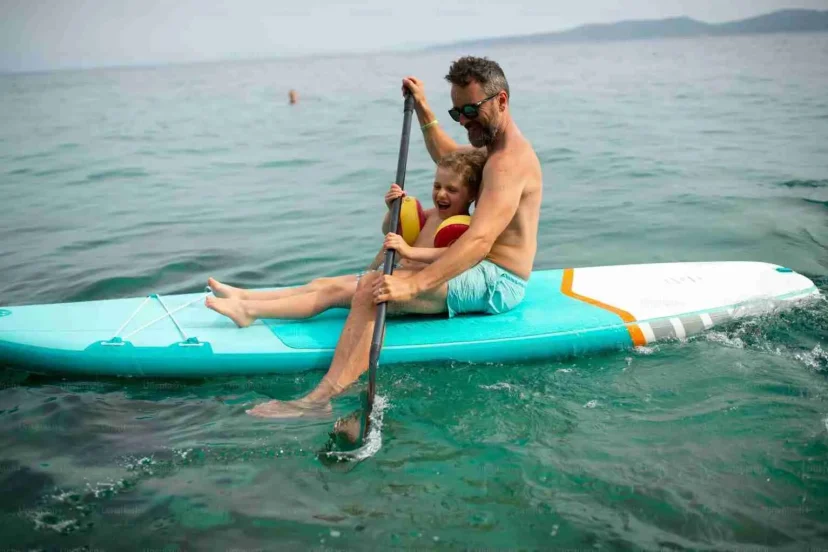
Paddleboarding training and certification are not mandatory for most recreational paddlers. You can absolutely start stand up paddleboarding without taking a formal class—and millions of people do. That low barrier to entry is one of the reasons SUP is so popular and approachable.
However, as you move beyond the basics, the value of proper training becomes increasingly clear.
Formal paddleboarding training is especially useful if you want to:
- Build confidence when paddling in unfamiliar environments
- Learn safety and self-rescue skills for wind, current, waves, or cold water
- Paddle in coastal, protected, or regulated waters
- Improve performance for fitness paddling, touring, or racing
- Teach or guide others professionally
- Train to instruct specialized disciplines such as SUP yoga
- Meet credential requirements for national parks, resorts, or international locations
In these situations, certification isn’t about permission—it’s about preparation. It helps you paddle smarter, safer, and with greater confidence.
In the sections below, we’ll break down:
- When paddleboarding certification is actually required
- What SUP training and certification typically include
- How to choose the right training path based on your personal goals
This Guide Is Especially Helpful If You Are:
- New to paddleboarding and unsure whether training is necessary
- Planning to paddle in coastal, protected, or international waters
- Interested in teaching, guiding, or coaching SUP
- Exploring SUP yoga, fitness, or racing
- Looking for honest, non-hyped certification advice
Before investing in courses, review the core SUP hazards and safety principles every paddler should know.
Affiliate Disclosure:
This post may contain affiliate links. If you make a purchase through these links, WaterSportsPortal.com may earn a commission at no additional cost to you. We are committed to providing honest recommendations and only promote products and services that meet our quality standards. Your support helps us continue to create valuable content for our readers. Thank you.

🧾 Do You Need Training or Certification to Paddleboard?
Short answer: No.
For personal, recreational paddleboarding in calm, open-access waters, training or certification is generally not required in most countries.
That said, there are situations where training, certification, or permits may be required—or strongly recommended.
You may need formal training or credentials if you:
- Paddle in national parks, marine sanctuaries, or protected waterways
- Guide group tours or teach stand up paddleboarding
- Operate a rental business or commercial SUP operation
- Compete in organized SUP races or sanctioned events
- Paddle in regulated waters, such as certain EU lakes, coastal zones, or inland waterways
In these cases, certification is often tied to liability, safety standards, insurance requirements, or local regulations, rather than basic paddling ability.
For recreational paddlers, training remains optional—but for professionals, instructors, and commercial operators, certification is often essential.
📍 When Paddleboarding Training and Certification Are Required
While paddleboarding certification is not required for casual recreational use, there are situations where training, certification, or permits are mandatory—or strongly expected.
This typically applies when paddleboarding involves commercial activity, instruction, regulated waters, or increased risk.
Common Scenarios and Requirements
Activity | Is Certification Required? |
|---|---|
Recreational paddling on calm lakes | ❌ Not required |
Coastal paddling or marine parks | ✅ Often required (permit and/or certification) |
SUP yoga or fitness instruction | ✅ Required by most insurers and studios |
Guided tours or group sessions | ✅ Required for liability and safety compliance |
Organized SUP race competitions | ⚠️ May require water safety or rescue training |
Rentals or commercial SUP operations | ✅ Required in most regions |
💡 Key takeaway:
If you paddle purely for personal enjoyment, certification is usually unnecessary. However, if you paddle professionally, internationally, commercially, or in regulated waters, proper training and certification become essential—not optional.
Important: Always verify local regulations and park rules, especially when paddling abroad, in national parks, or in protected coastal areas. Requirements can vary widely by country and region.
Always follow local regulations and weather advisories, and never paddle beyond your skill level.
🎓 Benefits of Getting SUP Training and Certification (Even If It’s Not Mandatory)
Even when certification isn’t legally required, structured paddleboarding training offers real, practical advantages—especially as you paddle in new environments or take the sport more seriously.
Here’s why many paddlers choose to get trained anyway:
🛟 Safety and Confidence
- Learn self-rescue techniques and how to assist others in an emergency
- Develop better awareness of weather, currents, wind, and risk factors
- Gain confidence paddling in coastal waters, currents, chop, or colder conditions
🛶 Performance and Technique
- Improve paddling efficiency and reduce fatigue on longer sessions
- Minimize the risk of overuse injuries through proper stance and stroke mechanics
- Enhance endurance, balance, and overall control on the board
👥 Professional and Career Opportunities
- Qualify to teach, guide, or coach paddleboarding legally and safely
- Meet insurance and liability requirements for instruction or rentals
- Become eligible for SUP yoga, fitness instruction, or coaching roles
- Improve credibility if you’re a content creator, reviewer, or affiliate in the watersports niche
🌍 Travel and Access
- Smooth the process of paddling in national parks, protected waters, or regulated regions
- Help meet local compliance requirements, particularly in EU or international destinations
- Avoid unexpected restrictions when joining guided trips or events
🔍 Pro Tip:
If you already hold fitness, yoga, or coaching credentials, adding SUP certification can significantly increase your marketability. It’s not about checking boxes—it’s about being prepared, capable, and trusted on the water.

📚 Types of SUP Training and Certification
Paddleboarding training and certification are not one-size-fits-all. Programs are typically designed around skill level, environment, and intended use—whether recreational, competitive, or professional.
Below are the most common types of SUP training and who they’re best suited for:
Type of Training | Best Suited For |
|---|---|
Intro to SUP & Water Safety | Beginners seeking structured fundamentals and confidence |
SUP Instructor Certification (Level 1–3) | Aspiring teachers, guides, or professional coaches |
SUP Yoga Instructor Training | Certified yoga instructors adding on-water classes |
Race & Technique Clinics | Competitive, fitness-focused, or performance paddlers |
Rescue, CPR & First Aid Training | Instructors, guides, coastal and open-water paddlers |
Many instructor-level programs bundle essential safety modules, such as:
- CPR and First Aid
- Water rescue techniques
- Risk assessment and emergency response
🧘 Note: SUP yoga and fitness certifications typically require a prior land-based credential (such as yoga or fitness instruction) before enrolling in on-water training.
📚 What’s Included in a Paddleboarding Certification Course?
While the exact curriculum varies by organization and certification level, most paddleboarding training programs follow a similar structure, combining classroom learning with hands-on, on-water practice.
Here’s what you can typically expect:
📖 Theory-Based Learning
These sessions focus on knowledge every responsible paddler—or instructor—should understand:
- Water safety fundamentals, including wind, currents, tides, and weather awareness
- Local regulations, access rules, and legal responsibilities
- Environmental awareness and responsible paddling practices
- Paddleboard anatomy, gear selection, and equipment handling
🌊 Practical (On-Water) Training
This is where skills are developed and assessed:
- Efficient forward strokes, turning techniques, and bracing
- Safe launching and landing in different conditions
- Self-rescue methods, assisted rescues, and towing techniques
- Controlled falls and recovery drills to regain balance quickly
🧑🏫 Instructor-Level Components
Instructor and professional certifications go further and usually include:
- How to plan and structure SUP lessons
- Managing group safety on the water
- Coaching techniques for beginners versus advanced paddlers
- Risk management, hazard assessment, and decision-making
Most certification courses require both:
- A written or online knowledge assessment, and
- A practical skills evaluation on the water
⏳ Typical duration:
- Basic or entry-level courses: 1–3 days
- Instructor or advanced certifications: 3–7 days, often including pre-course online learning
🌍 Top Paddleboarding Certifying Organizations Worldwide
Several well-established organizations offer recognized paddleboarding training and certification programs. Each operates slightly differently, with varying regional influence, course structures, and areas of specialization.
The organizations below are among the most commonly referenced worldwide:
Organization | Primary Region | Best Known For |
|---|---|---|
American Canoe Association (ACA) | United States | Widely recognized SUP instructor and safety certifications |
Paddle UK | UK & Europe | Progressive paddling and rescue training pathways |
Academy of Surfing Instructors (ASI) | Global | SUP instructor programs including fitness and yoga |
Professional Stand Up Paddle Association (PSUPA) | North America & Global | Training for tours, coaching, and SUP safety |
Japan Canoe Federation (JCF) | Japan | National-level paddle sports governance and certification |
✅ These organizations typically offer structured, progressive training, with certifications that are recognized regionally or internationally, depending on the program.
Important: Recognition requirements vary by country, employer, park authority, or insurer. Always confirm which certification is accepted for your specific location or purpose.
Reputable organizations such as the American Canoe Association – SUP Certification and the Academy of Surfing Instructors (ASI) offer structured paddleboarding training programs recognized by insurers, parks, and employers in many regions.
🧘 Specialty Certifications: SUP Yoga, Racing, and Rescue
If you plan to specialize in a particular area of paddleboarding—such as fitness, competition, or professional guiding—specialty certifications can add targeted skills and credibility beyond general SUP training.
Common specialty modules include:
- SUP Yoga Instructor Certification
Designed for certified yoga teachers who want to safely adapt classes to a paddleboard environment, combining balance, safety, and teaching methodology. - SUP Racing Clinics and Certifications
Focused on performance, including stroke efficiency, pacing strategies, board selection, and race tactics such as drafting and starts. - Rescue and Water Safety Training
Emphasizes real-world emergency response, assisted rescues, towing, and incident management—especially valuable for coastal paddlers, instructors, and guides. - Adaptive SUP Training
Prepares instructors to work safely and inclusively with seniors, beginners, and paddlers with disabilities, using adaptive equipment and teaching approaches.
🌿 Bonus:
Many specialty programs also include environmental education, responsible access practices, and Leave No Trace principles—particularly for paddling in protected or sensitive waterways.
🛍️ Online vs In-Person SUP Certification: Which Should You Choose?
Both online and in-person paddleboarding certifications have their place. The right choice depends on your goals, experience level, and whether you need hands-on assessment.
Online vs In-Person: A Quick Comparison
Format | Pros | Cons |
|---|---|---|
Online Training | Flexible scheduling, lower cost, global access | No direct on-water skill assessment |
In-Person Training | Hands-on practice, real-time feedback, peer learning | Travel, higher cost, time commitment |
Popular Online SUP Learning Platforms
Some well-known platforms offer theory-focused or foundational SUP education:
- Paddle TV – Technique breakdowns and instructional content
- ASI Online Academy – Instructor theory and specialty modules
- Professional Stand Up Paddle Association Online Foundations – Entry-level professional knowledge
- SUPboarder Pro – Video-based lessons and technique analysis
💡 Best practice:
Many paddlers choose a hybrid approach—completing theory and knowledge modules online, then finishing practical skills and assessments in person.
🎥 Some certifying bodies now offer hybrid certification pathways, combining online coursework, live Zoom sessions, and on-water evaluations.
🧭 How to Choose the Right SUP Certification Course for You
Choosing the right paddleboarding course starts with being clear about why you paddle and where you want it to take you.
Ask yourself:
- Am I paddling mainly for recreation, fitness, business, or competition?
- Do I plan to teach, guide, or coach other paddlers?
- Will I paddle in coastal, protected, or regulated waters?
- Do I need a certification with regional or international recognition for travel or work?
If you answered “yes” to any of these, it’s worth choosing a course from a well-recognized certifying body with clear safety standards and progression pathways—such as programs offered by the American Canoe Association, Academy of Surfing Instructors, Professional Stand Up Paddle Association, or Paddle UK.
The “best” certification isn’t the most expensive or the most advanced—it’s the one that matches your goals, local requirements, and paddling environment.

📋 Checklist: Before You Book a SUP Certification Course
Before committing time and money to a paddleboarding certification, take a moment to review the details. A little due diligence upfront helps ensure the course truly fits your needs.
Use this checklist as a guide:
- Choose a certifying body that aligns with your location, goals, and intended use
- Compare available course levels (introductory, instructor, rescue, or specialty)
- Read reviews or testimonials from past students, if available
- Confirm whether the certification is accepted by insurers (especially for instructors or guides)
- Check the instructor-to-student ratio for adequate hands-on feedback
- Make sure the course includes a practical, on-water assessment
- Understand recertification or renewal requirements (often every 2–3 years)
- Ask about equipment provision, such as boards, paddles, or PFDs
🧠 Instructor Insight:
Even experienced paddlers often discover small technique issues or safety blind spots during structured training. A good course doesn’t just validate what you know—it helps refine it.
📝 What to Expect on SUP Certification Exam Day
Certification assessments are designed to be practical and supportive, not intimidating. Most focus on confirming that you can paddle safely, apply what you’ve learned, and make sound decisions on the water.
Here’s what a typical exam day looks like:
- A pre-briefing covering the day’s schedule, safety protocols, and current water conditions
- An on-water skills assessment, including basic strokes, balance, turning, and rescue techniques
- A land-based session, which may involve equipment demonstrations or group teaching practice (for instructor-level courses)
- A short written or online knowledge check, often open-note and focused on safety and judgment rather than memorization
- Constructive feedback from the trainer, highlighting strengths and areas for improvement
💬 Practical Tip:
Arrive well-rested, hydrated, and with your gear organized. Certification courses are designed to help you succeed—and most participants complete their assessment successfully on the first attempt.
📦 Recommended Gear for SUP Certification Courses
Most certification providers will share a gear list in advance, and many supply boards or safety equipment. That said, coming prepared ensures a smoother training experience—especially for instructor-level or multi-day courses.
Commonly recommended gear includes:
- An all-around or touring paddleboard (often 11 feet or longer for stability and efficiency)
- A paddle with an adjustable shaft, suitable for different drills and conditions
- A high-visibility PFD (vest or belt-style, depending on water type and local rules)
- An appropriate leash (coiled or straight, matched to the paddling environment)
- Hydration, such as a water bottle or hydration pack
- A waterproof notepad or notebook (especially helpful for instructor training)
- Basic safety items, including an emergency whistle and dry bag
- Weather-appropriate clothing, such as a rash guard, wetsuit, or thermal layers
🔎 Tip:
Always confirm gear requirements with the course provider. Some programs supply boards, paddles, and safety equipment, while others expect participants to bring their own—particularly for advanced or professional certifications.
🚀 How to Use Your SUP Certification (Real-World Scenarios)
A paddleboarding certification isn’t just a credential—it’s a practical tool that can open doors, depending on how you choose to use it.
Here are some common real-world applications:
🏖️ Start or Expand a SUP Coaching Business
Offer beginner classes, skills workshops, or private lessons in your local area, in compliance with insurance and local regulations.
🧘 Teach SUP Yoga or Fitness Classes
Partner with yoga studios, gyms, or wellness retreats to bring balance-based training onto the water.
🛶 Lead Eco Tours or Guided Adventures
Run small-group paddling tours through coastal areas, rivers, or wildlife zones—often a requirement for permits and insurance.
📚 Work at Resorts, Camps, or Outdoor Programs
Many resorts, summer camps, and outdoor education programs prefer or require certified instructors, especially for seasonal roles.
🎥 Strengthen Your SUP Brand or Content Authority
If you create blogs, reviews, or educational content, certification adds credibility and trust—especially when discussing safety or technique.
🏁 Advance Into Competitive or Leadership Roles
Certification can support participation in higher-level events, retreat leadership, or access to professional insurance programs.
❓ FAQs About Paddleboarding Training and Certification
A: Prices usually range from $150 to $700 USD, depending on the certification level, course length, location, and whether it includes on-water assessments. Instructor and specialty programs often cost more.
A: Most certifications are valid for 2–3 years. Renewal generally involves a refresher course, updated safety training, or proof of continued experience.
A: Online courses usually cover theory and foundational knowledge only. Full instructor, guide, or professional certifications almost always require in-person, on-water skills assessment.
A: Many well-established certifications are recognized across regions, but acceptance depends on local regulations, employers, or park authorities. Always verify requirements before traveling or working abroad.
A: No certification is required for casual, informal instruction. However, formal teaching, paid instruction, or guiding typically requires certification, insurance, and local permits.
🏁 Final Thoughts: Do You Really Need SUP Training or Certification?
For most recreational paddlers, stand-up paddleboarding training and certification are not mandatory. You can enjoy calm lakes and casual outings without ever taking a formal course—and many people do.
However, as your paddling expands into coastal waters, protected areas, international travel, instruction, guiding, or commercial use, proper training becomes increasingly important. Certification helps you paddle more safely, understand local regulations, and build confidence in real-world conditions.
The right course isn’t about collecting credentials—it’s about being prepared, responsible, and capable on the water. Whether you paddle for fitness, fun, or professionally, choosing training that matches your goals and environment is a smart investment in both safety and enjoyment.
If you’re unsure where to start, begin with a recognized training organization, confirm local requirements, and progress at a pace that feels right for you. Paddleboarding is meant to be accessible—but knowledge and preparation make it better for everyone.
Continue Reading:
Paddleboarding Hazards & How to Avoid Them: Weather, Wildlife & Water Traffic
Back to the Ultimate Paddleboarding Hub: Your Complete Guide to SUP Adventures


